

Eating healthy foods and balancing your grocery budget is possible. With proven budget-friendly shopping tips, you can enjoy nutritious meals without the need for overspending. Many people think that choosing healthy food means paying more, but that is not true. Consumers must adopt a planning mindset, make smart choices at the grocery store, and pick the right shopping tools. This can help you eat healthy, tasty and affordable meals.
If you have ever wondered how to shop for healthy foods and save money, this blog will help you learn practical tips and prepare a healthy eating meal plan.
1. Set a Weekly Grocery Budget
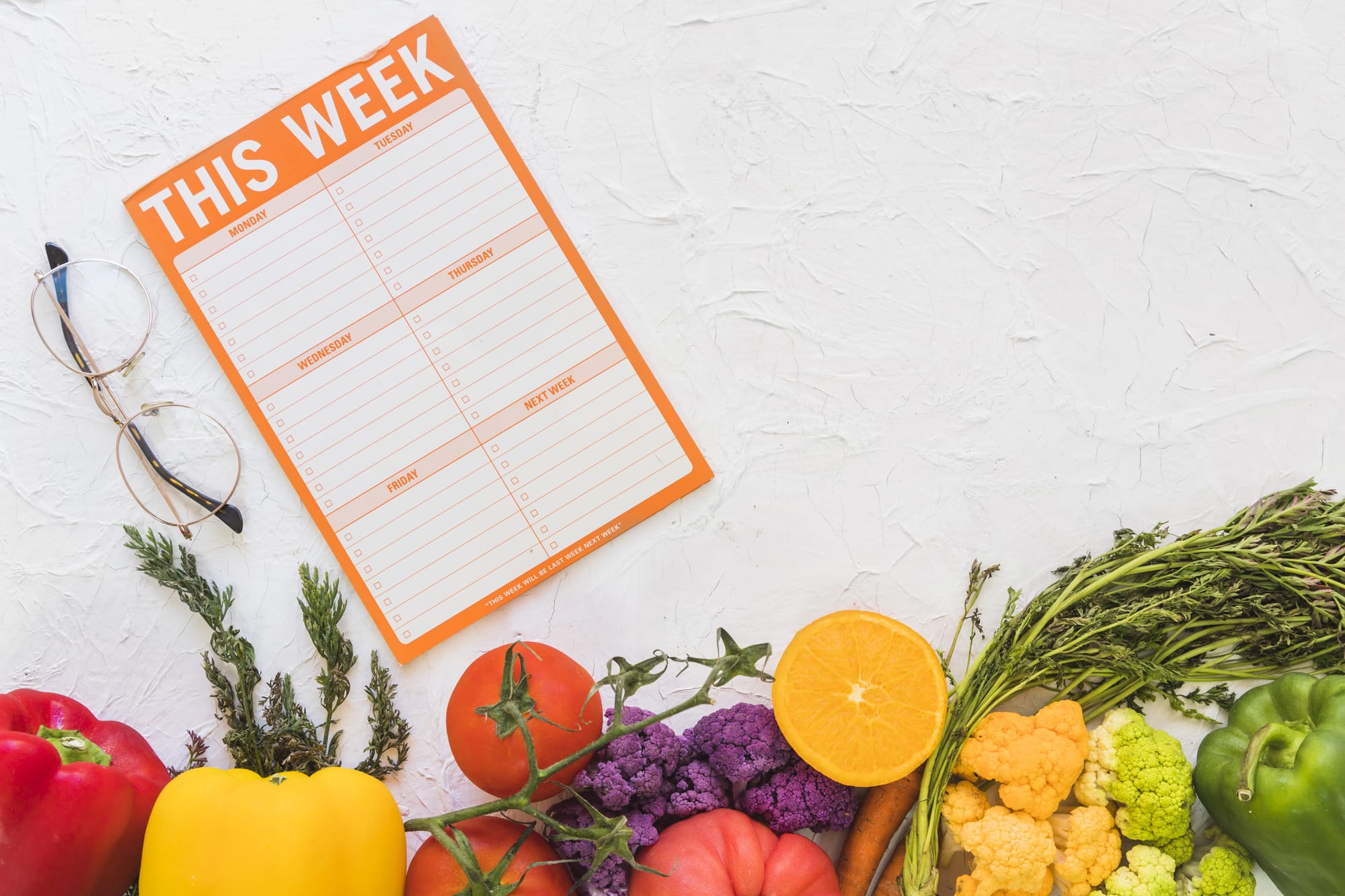
Let’s be honest. Walking into a hypermarket without a budget is like going to a buffet when you are hungry. Chances are, you will walk out with more than you need. Setting a healthy grocery list on a budget is not about limiting yourself. It is about giving your shopping a clear direction.
For example, if you set aside AED 300, you know how much to spend on fresh vegetables, fruits and pantry items. This way, you can make a healthy meal plan while avoiding unexpected surprises at checkout.
2. Shop Seasonal and Local Produce
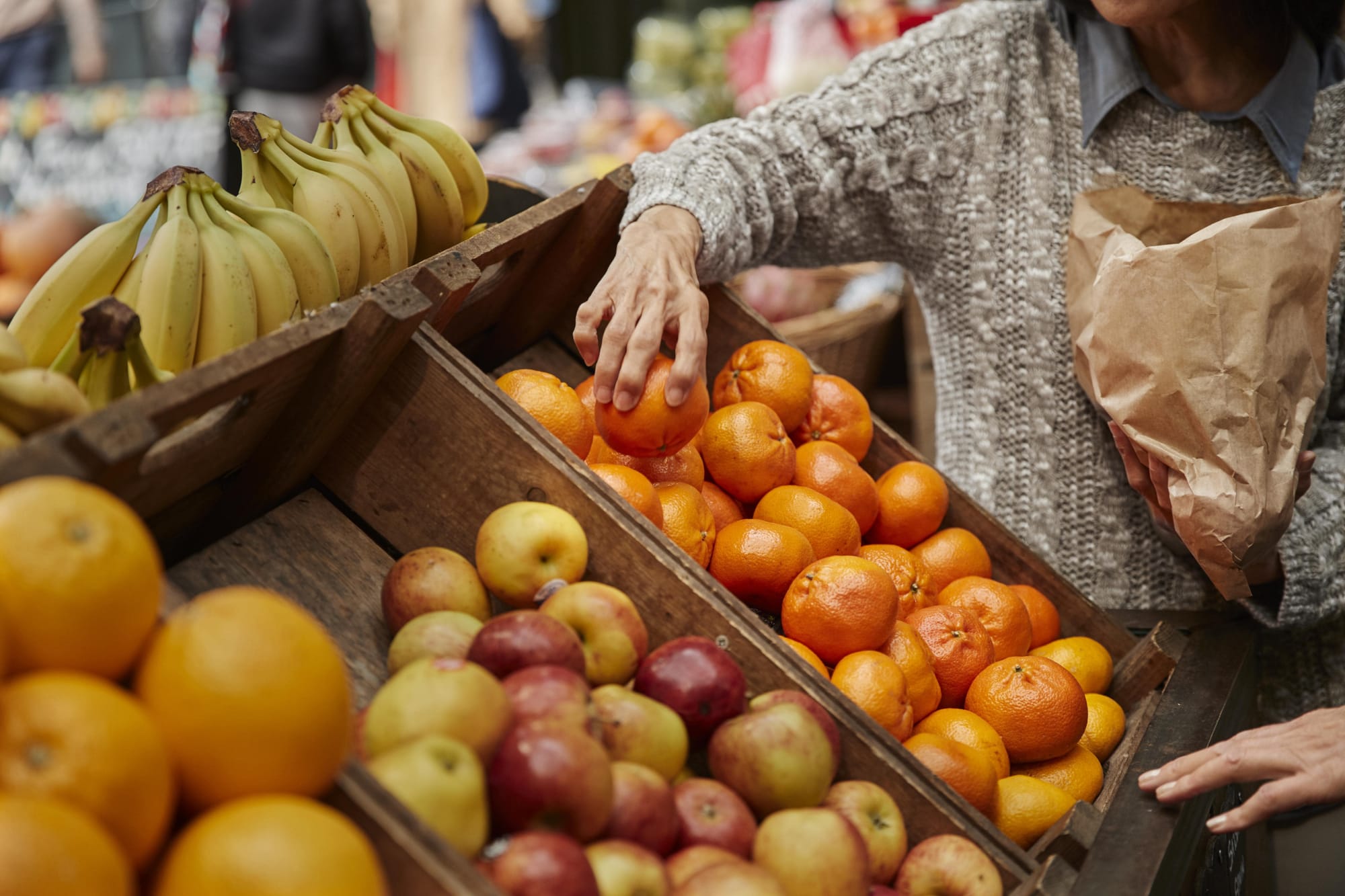
One of the easiest ways to save money is to buy seasonal fruits and vegetables. In the GCC, this means purchasing tomatoes, cucumbers, fresh herbs and dates. These healthy foods are tastier and also cheaper than imported items.
Consider this. A salad with local cucumbers and mint will cost less and taste fresher than one made with vegetables shipped from overseas. By choosing local and seasonal produce, you are eating well while spending less.
3. Compare Prices Before Shopping

A simple way to cut costs is to compare prices before you step out for shopping. The same bag of rice or coconut oil can cost less in one store and more in another. With many hypermarkets in the GCC competing for customers, there are always deals waiting to be found if you know where to look. Instead of driving from store to store and wasting fuel, check the shopping flyers online.
The D4D Online brings all supermarket and hypermarket deals together in one place. It is an ultimate shopping companion, allowing you to spot the best offers with a few taps.
4. Stock Up Whole Grains and Legumes
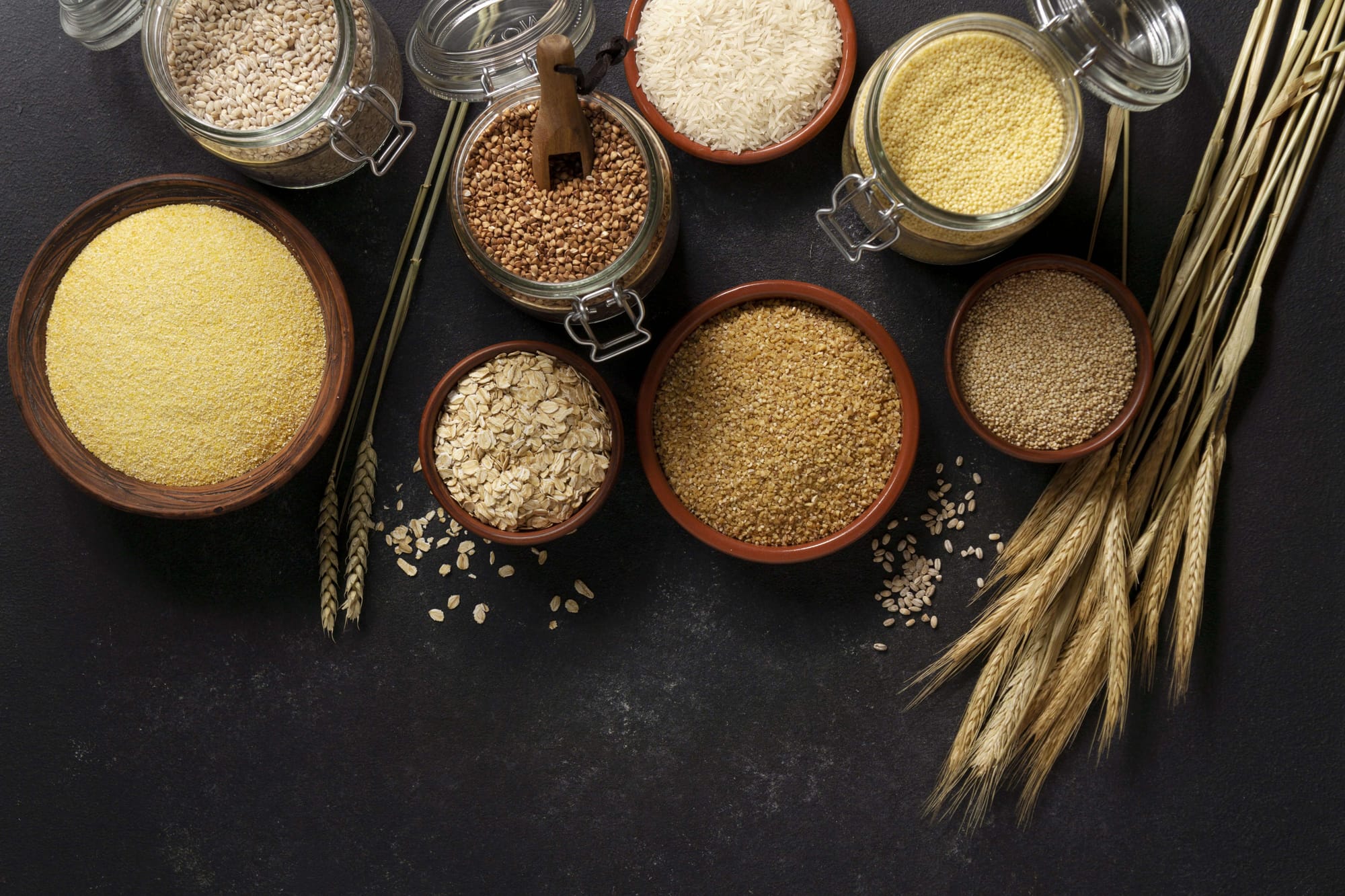
Grains and legumes are a reliable choice when you want to cut costs and enjoy healthy meals. For generations, Middle Eastern kitchens have relied on oats, chickpeas, lentils, and beans, which are affordable and nutritious.
A simple lentil soup or chickpea salad makes a healthy and budget-friendly meal plan. Buy these items in bulk and store them so you will always have quick options at home.
5. Choose Proteins That Work in Many Meals
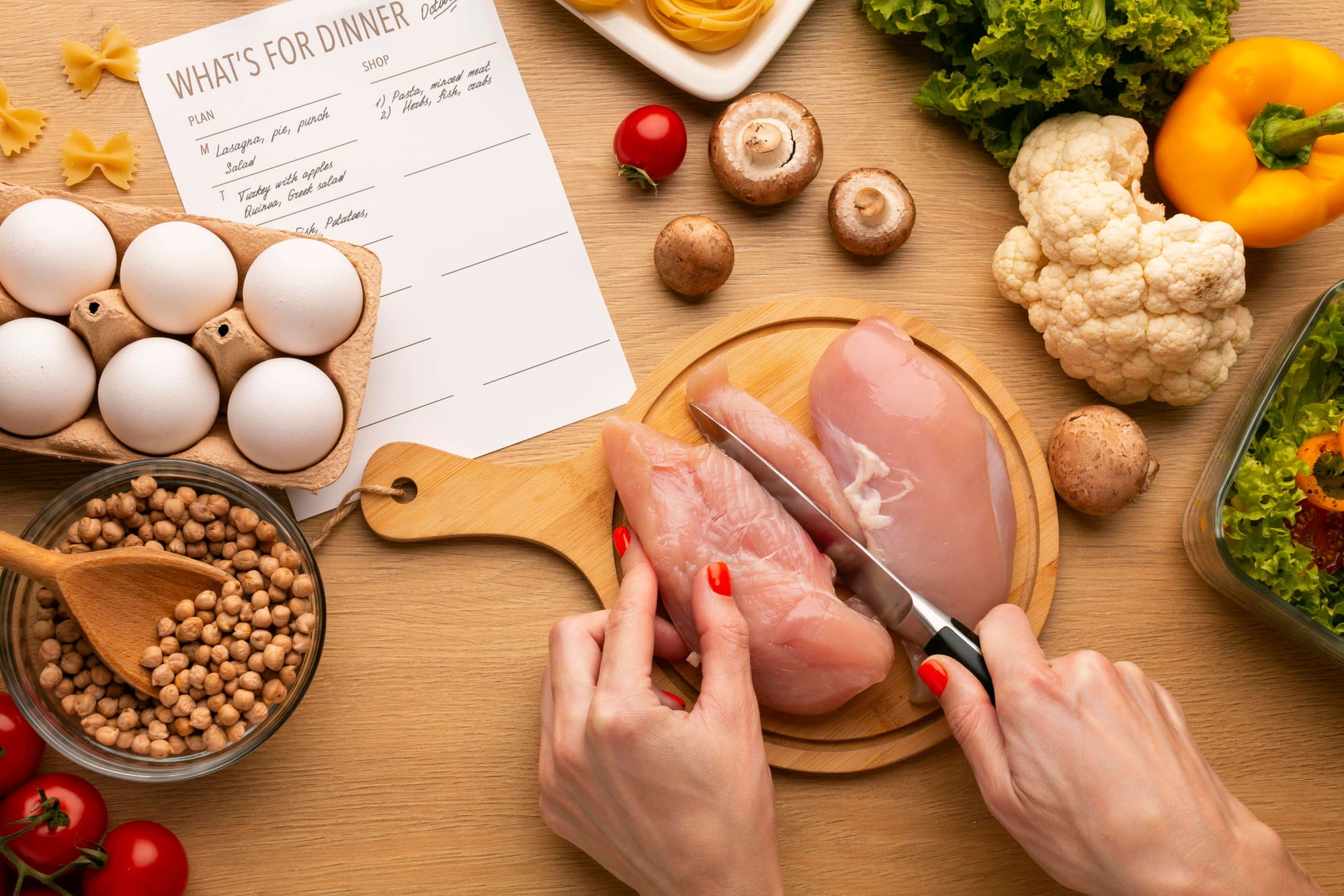
Protein often accounts for the largest share of a grocery bill. But it does not have to. Eggs, chicken, and certain fish are less expensive in GCC markets and suitable for many meals. A single tray of eggs helps you make breakfast, lunch or dinner.
Plant proteins play an important role. Lentils, quinoa, and beans are affordable, make you feel full and add variety to your meals. Mix them with animal proteins to save money while maintaining a balanced diet.
6. Save More by Cooking in Batches
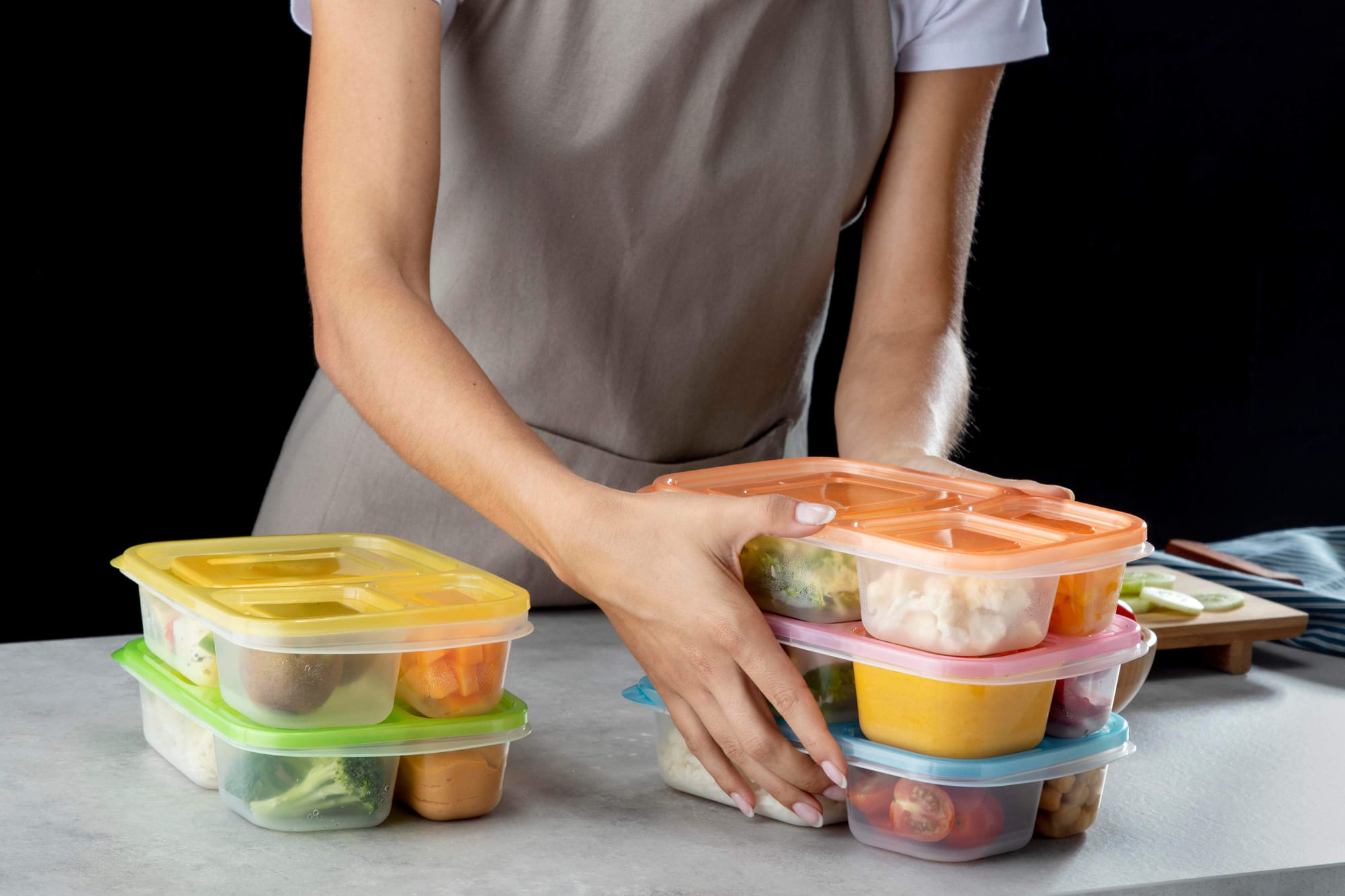
Cooking every day can feel tiresome. It can be especially true when you are balancing work, family and daily life. Batch cooking helps ease that load. Prepare a pot of quinoa, roast a whole chicken or bake a tray of vegetables in one go. Then, use these ingredients in different ways throughout the week. Add grilled chicken to wraps, mix quinoa into a salad or toss roasted vegetables into a stir-fry.
This habit saves time and reduces food waste. Most importantly, it ensures you always have a healthy meal ready when you need it.
7. Cut Down Imported Packaged Foods
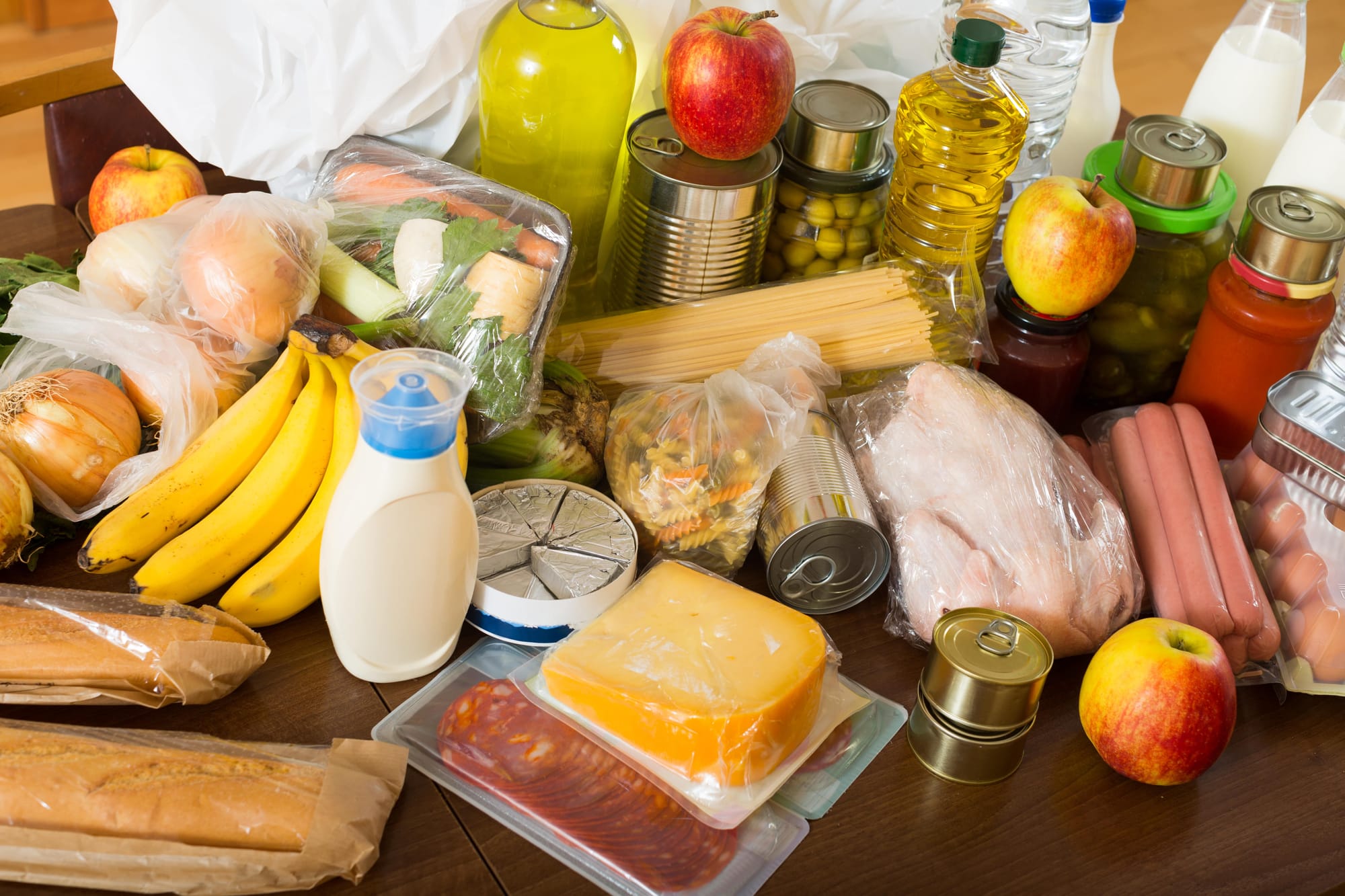
Imported packaged foods may look tempting. But they usually cost more. Many contain sugar, salt and harmful preservatives, which makes them less healthy. If you are searching for budget-friendly shopping tips, one of the best ways to save money is to skip imported packaged foods whenever possible.
Local options give you more value and better nutrition. Choose laban instead of sugary soft drinks. Pick fresh dates instead of packaged sweets. Stock up on regional fruits, dairy and other staples that cost less and support local farmers. These steps help you eat healthy foods on a budget. Small changes like these are simple grocery hacks that make your basket healthier without overspending.
Final Thoughts
Shopping for healthy foods does not have to mean spending more. With a proper healthy eating meal plan and the right shopping resources, you can stretch your budget and eat healthy. If you want to make the process easier, the D4D Online can help. It brings together offers from leading supermarkets and hypermarkets, so you can find the latest deals in one place. This makes the path to a healthier lifestyle more affordable and less stressful.
Frequently Asked Questions (FAQs)
1. What are the best ways to save money on groceries while eating healthy?
Plan meals, compare shopping flyers, buy seasonal produce, and use shopping apps to grab the best deals.
2. How can beginners start a healthy diet without overspending?
Begin with simple, whole foods like rice, lentils, eggs and seasonal vegetables. They are nutritious and affordable.
3. Are there any shopping hacks for busy families?
Yes. Bulk buying staples, freezing leftovers, and shopping with a list are the most effective budget-friendly shopping tips.
4. How to find the best deals online for groceries?
Use platforms like the D4D Online shopping flyer app to compare hypermarket deals and choose the lowest price for groceries.
5. Is cooking at home cheaper than eating out?
Absolutely. Cooking at home cuts costs, reduces food waste, and allows you to stick to your healthy diet plan.


