

If you are living in the GCC, you know that life is fast-paced and deeply rooted in traditional Arabic culinary delights. One fine day, you might be indulging in festive Lamb Ouzi, the next it is a quick shawarma between meetings, or a fresh mezze with friends on the weekend. With so many delicious choices and a busy lifestyle, finding balance between enjoying what we love and staying healthy is not always easy.
In this blog, I will help you choose a healthy diet plan. The one that fits into your daily life and wellness goals. Whether your focus is losing weight, improving your energy, or establishing healthy eating habits, you will find practical and expert diet tips to guide you. Without further ado, let’s begin the journey to learn about how to select the best diet plans for a healthy lifestyle.
What is a Balanced Diet?
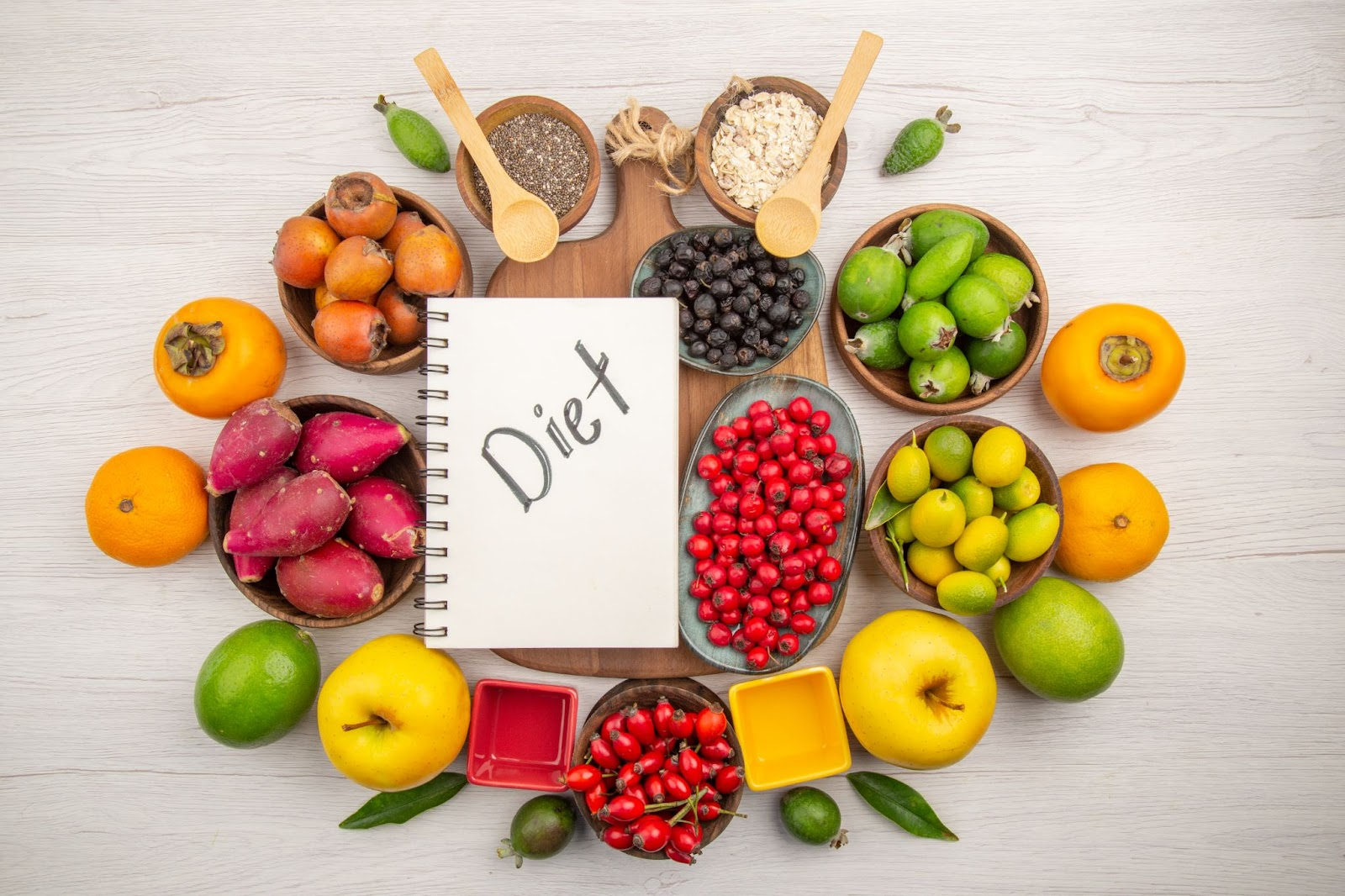
A balanced diet is a healthy way of eating. It maintains your wellness goals while considering body type. It provides your body with the right balance of carbohydrates, proteins, fats, vitamins, and minerals, enabling it to function at its best.
In simple terms, a balanced diet means eating nutrient-rich foods in the right proportions to offer energy, weight control and overall well being.
4 Key Components of a Balanced Eating Plan
When choosing a healthy diet plan, balance is everything. A well-structured eating routine ensures that your body receives the right nutrients for energy, repair, and overall health. Every balanced diet should include these four essential components:
1. Carbohydrates – Primary Energy Source
Carbohydrates give your body and brain the fuel they need to function throughout the day. Instead of refined carbs, focus on nutrient-rich options.
Best foods: Whole grains such as brown rice, oats, quinoa, and traditional khubz, along with fruits like apples, dates, and pomegranates, plus vegetables including spinach, broccoli and cucumbers.
2. Proteins – Building Blocks of the Body
Proteins repair muscles, tissues, and cells, making them essential for strength and growth. A balanced diet should always include good-quality protein from both animal and plant sources.
Best foods: Lean meats such as chicken, fish, and lamb, eggs, legumes like chickpeas, lentils, and beans, as well as nuts, including almonds and walnuts.
3. Healthy Fats – Vital for Hormones and Brain Health
Healthy fats support hormone production, help absorb vitamins, and keep your brain sharp. They are a vital part of any balanced eating plan.
Best foods: Olive oil, avocados, flax seeds, chia seeds, and a variety of nuts.
4. Micronutrients – Essential for Bodily Functions
Micronutrients may be needed in smaller amounts. But they play a big role in boosting immunity, strengthening bones and supporting brain function. Adding a variety of fruits, vegetables, whole grains, and other healthy foods to your meals ensures you get these vital nutrients.
Best foods: Fresh vegetables, seasonal fruits, dairy such as laban and yogurt, and seafood like salmon and sardines.
Together, these four components form the foundation of a balanced eating plan that keeps your body energized, nourished and healthy.
Create a Balanced Plate Formula
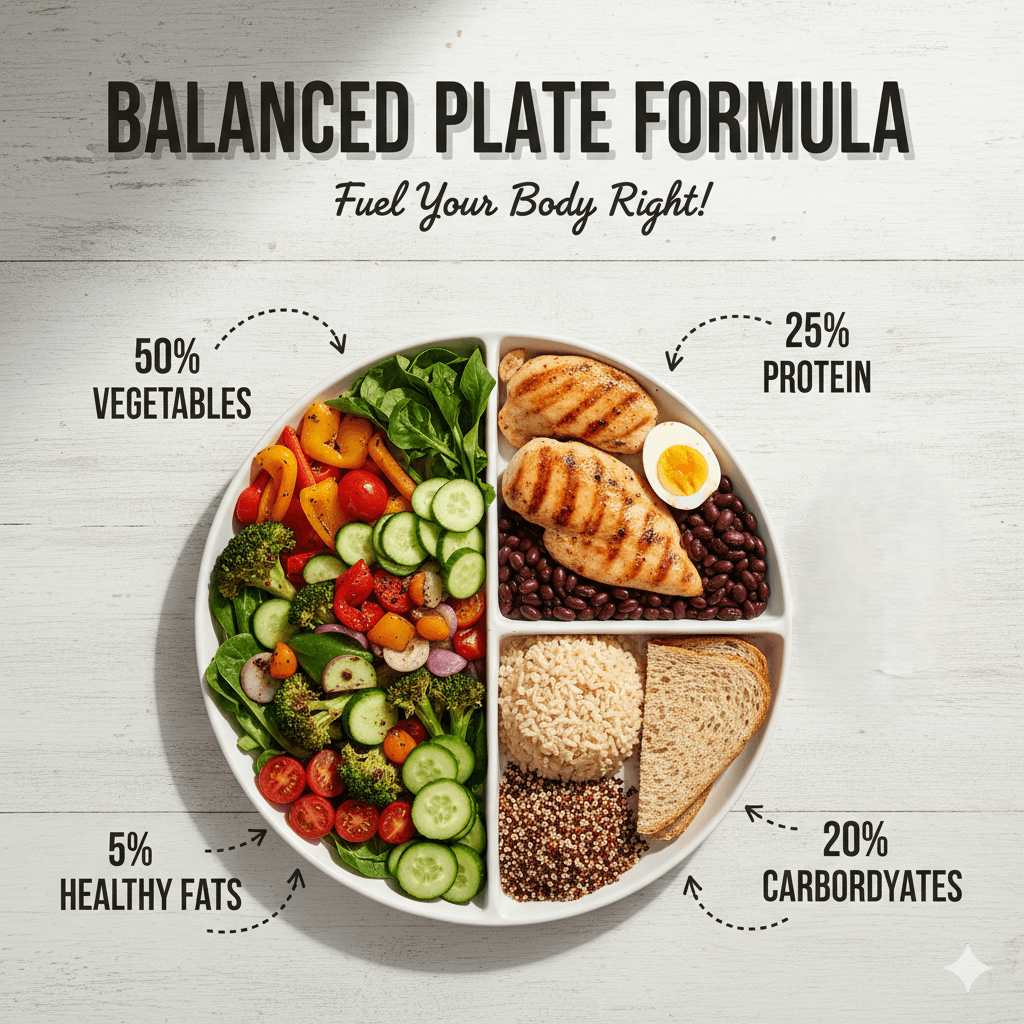
When it comes to healthy eating habits, you do not always need complicated diets or strict meal planning ideas. One of the most effective ways to manage your nutrition is by following the balanced plate formula.
Here’s how to build your balanced plate at home:
- 50% Vegetables: Fill half your plate with a variety of fresh vegetables like cucumbers, spinach, broccoli, and peppers.
- 25% Proteins: A quarter of your plate should come from lean protein sources such as chicken, fish, eggs, or legumes like chickpeas and lentils.
- 25% Carbohydrates: The other quarter should be healthy carbs like brown rice, oats, khubz or quinoa.
- Small Portion of Healthy Fats: Finally, do not forget good fats from olive oil, nuts, seeds, or avocados.
If you are looking for a healthy diet plan, this balanced plate method is a great place to start. It is practical and does not require costly ingredients.
Types of Healthy Diet Plans
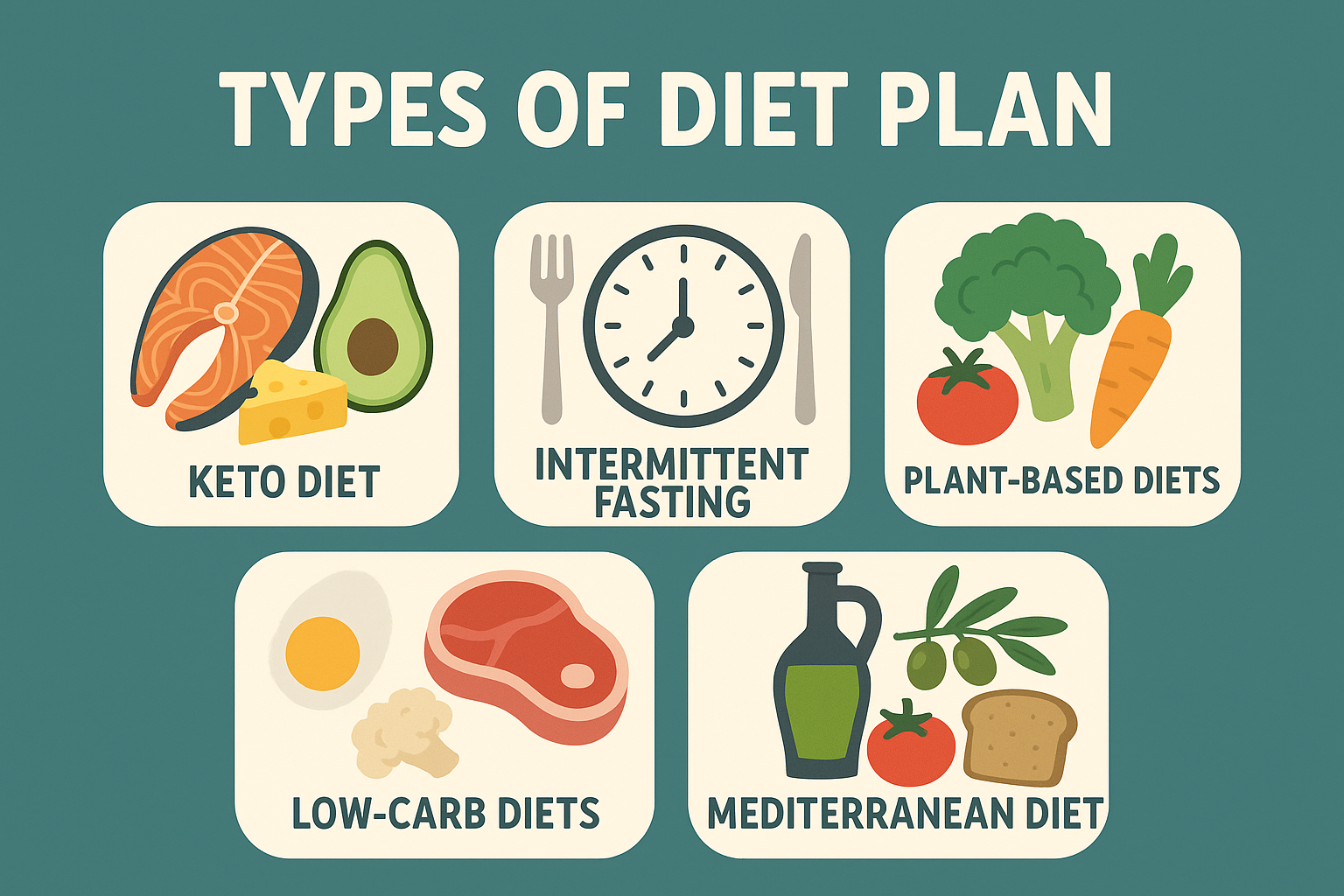
The word "diet" can be intimidating. However, it simply means "a way of eating." Let's learn about some proven diet plans and see how they can align with your personal goals and healthy lifestyle.
1. Keto Diet
The Keto diet plan is a very low-carb, high-fat diet. By drastically reducing carbohydrates, your body enters a state called ketosis, where it burns fat for fuel instead of glucose. This can be a difficult diet plan for beginners due to its restrictive nature and side effects like “keto flu.”
- Focus on: Including meats, fatty fish, eggs, cheese, butter, oils, nuts and low-carb vegetables.
- Best for: Rapid short-term weight loss and improving blood sugar control for some individuals.
- Considerations: It can be highly restrictive and may lead to a "keto flu" initially. It is best undertaken with professional guidance.
2. Intermittent Fasting
Intermittent fasting is not about what you eat, but when you eat. It involves cycling between periods of eating and fasting. The most common method is the 16/8, where you fast for 16 hours and eat within an 8-hour window. For many, this concept is familiar due to the practice of fasting during Ramadan.
- Focus on: Timing your meals. During the eating window, it is crucial to eat balanced, nutritious food.
- Best for: Weight loss and improving metabolic health.
- Considerations: It might not be suitable for everyone, especially those with certain medical conditions.
3. Plant-Based Diets
A plant-based approach shifts the focus of your plate to foods derived from plants. This is a flexible and broad category.
- Focus on: Including honey, hummus, ful medames, falafel and tabbouleh in the diet.
- Best for: Heart health, weight management and lower risk of certain chronic diseases.
- Considerations: It requires careful planning to ensure you get enough nutrients, particularly Vitamin B12, iron and complete proteins.
4. Low-Carb Diets
A low-carb diet is similar to Keto but less restrictive. It predominantly focuses on limiting carbohydrates, especially from sugary foods and refined grains (white bread, pasta). This is a more flexible alternative to the keto diet plan.
- Focus on: Incorporating lean meats, fish, eggs, vegetables and natural fats.
- Best for: Weight management, controlling blood sugar and improving heart health.
- Considerations: Slacking carbs can initially cause side effects like headaches or fatigue as your body adjusts.
5. Mediterranean Diet
Inspired by the eating habits of countries like Greece and Italy. The Mediterranean diet is consistently ranked as one of the healthiest in the world.
- Focus on: Olive oil, fruits, vegetables, nuts, seeds, legumes, whole grains, fish and poultry.
- Best for: Heart and brain health.
- Considerations: While it emphasizes healthy fats, they are still high in calories, so being mindful of portion sizes with olive oil and nuts is important.
Ultimately, the right diet plan depends on your lifestyle, preferences, body type and health goals.
5 Steps to Choose the Best Diet Plan
There are so many healthy diet plans and it is easy to feel unsure about which one is right for you. The truth is, the best diet plan is not about following the latest diet trend. It is all about finding a plan that fits your healthy lifestyle and works in tandem with your daily routine. To make the choice easier, here are 5 simple steps to help you pick a plan that keeps you healthy today, tomorrow and always.
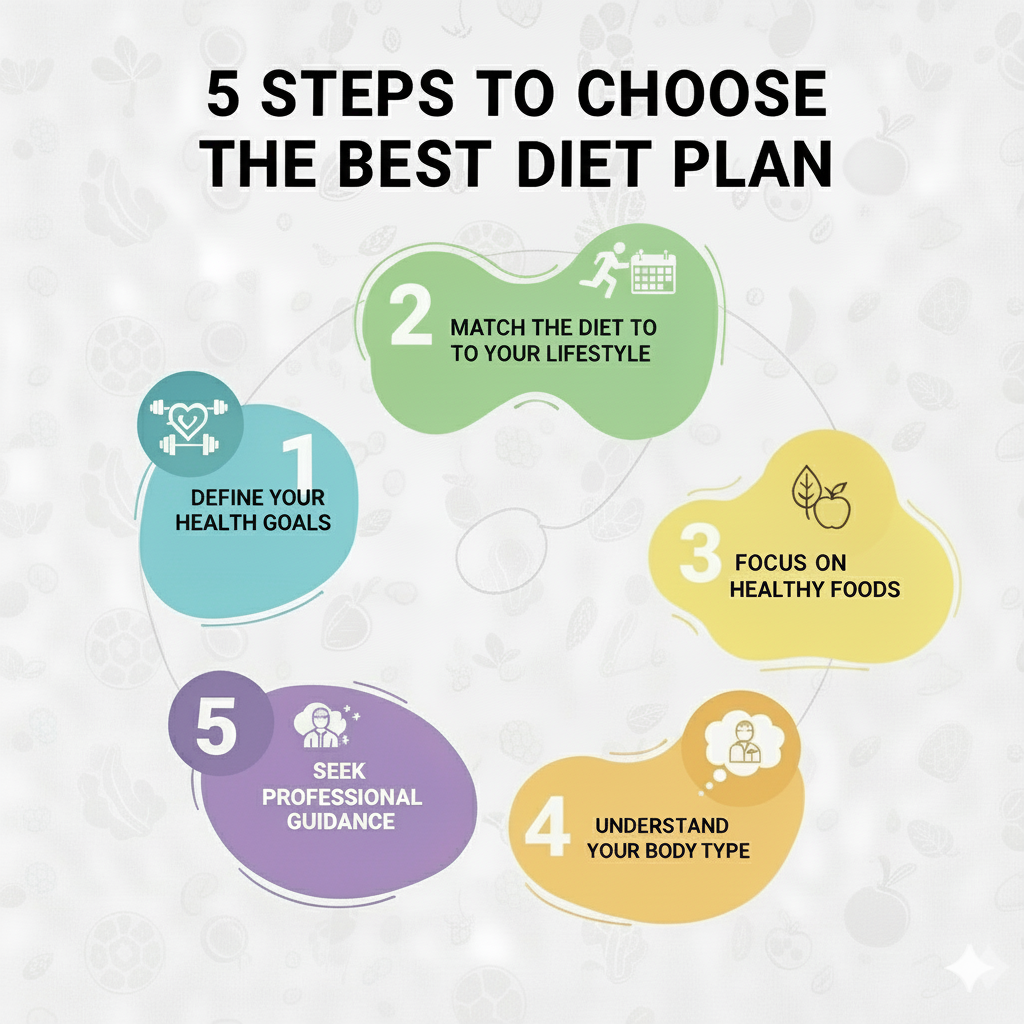
1. Define Your Health Goals
Before starting any diet plan, be clear about what you want to achieve. Are you trying to lose weight, improve energy levels or support heart health? For example, if you often feel tired during busy workdays, a diet rich in whole grains and lean proteins can keep your energy steady. If high cholesterol runs in your family, focus on heart-healthy foods like fish, olive oil and nuts.
Did you know?
Nearly 23.7% of adults in the GCC live with metabolic syndrome (a mix of high blood sugar, cholesterol and blood pressure).
2. Match the Diet to Your Lifestyle
A diet only works if it fits into your daily routine. If you are juggling work and family, a diet plan that requires hours of meal prep won’t be the right choice. Instead, look for flexible diets that allow you to enjoy traditional meals, like grilled kebabs with salad or lentil soups.
Did you know?
Surveys show that nearly 65% of working adults in the GCC skip home-cooked meals at least three times a week due to busy schedules.
3. Focus on Healthy Foods
Regardless of the diet plan you choose, your body needs balance. Try to include fresh fruits, vegetables, whole grains, lean proteins, and healthy fats in the foundation of your meals. For example, swap khubz made with white flour for whole wheat khubz, or replace fried snacks with dates and nuts.
Did you know?
Adding one extra serving of fruits or vegetables to your daily meals can boost your energy, strengthen immunity and support overall health.
4. Understand Your Body Type
Everyone’s body reacts differently to food. While some people feel great on a high-protein diet, others may need more carbs to stay energized. For instance, if you notice fatigue after skipping carbs, your body may not adapt well to a keto diet plan. This self-awareness can help you choose a diet plan that works in the long run.
Did you know?
According to World Obesity, Kuwait, Qatar, and Bahrain are among the top 20 countries worldwide with the highest adult obesity rates.
5. Seek Professional Guidance
When in doubt, take advice from an expert for the right diet tips. A nutritionist or healthcare provider can help personalize your diet based on your health history and unique preferences. And remember, a diet is not a quick fix. You must make small, consistent choices, like drinking water instead of soda or grilling instead of frying, which can help you achieve long-term results.
Did you know?
Studies have revealed that a guided, customized diet plan is more effective than trial-and-error diets.
Before selecting any plan, always remember to focus on progress instead of chasing drastic results. The best diet plan is not about short-term food restrictions. It is about making small steps to keep you healthier for life.
Final Thoughts
The best diet plan is not the most popular. It is the one that works for your healthy lifestyle. Further, it should nourish your body and be easy to follow. The Mediterranean diet is a great starting point, as it aligns with our eating habits. But ultimately, the right diet plan is the one you can stick to consistently.
Start with a small leap of faith. Swap sugary drinks for water, add salads to your meals, choose grilled over fried, or whole-grain khubz. Over time, these choices build better results.
From fresh fruits and vegetables to essential groceries, our D4D Online app helps shoppers explore a wide variety of healthy foods from countless supermarkets.
Frequently Asked Questions (FAQs)
1. What is a balanced diet for good health?
A balanced diet means eating the right mix of foods that provide your body with the energy, vitamins and minerals. It includes fruits, vegetables, whole grains, proteins and healthy fats. A good diet helps maintain a healthy weight, keeps your immune system strong, and reduces the risk of diseases such as diabetes, heart problems and obesity.
2. Which foods are best for a balanced diet?
Your daily meals should include:
- Fruits and vegetables for vitamins, minerals and fiber
- Whole grains like brown rice, oats, or whole wheat bread for energy
- Protein sources such as lean meat, fish, eggs, beans, or lentils for muscle repair
- Dairy or plant-based alternatives for calcium and bone health
- Healthy fats like nuts, seeds, and olive oil for brain and heart function
These foods make up the foundation of a healthy diet plan recommended by nutritionists and the World Health Organization (WHO).
3. How many meals should I eat for a balanced diet?
Most people do well with 3 meals. Breakfast, lunch, and dinner, plus one or two light snacks if needed. The key is not the number of meals but eating the right portion sizes and avoiding processed or fried food. Eating at regular times helps with digestion and keeps your energy up all day.
4. Can I make a balanced diet at home?
You can start by planning a 7 day healthy eating plan using local and seasonal produce. Buy staples in bulk, prepare meals at home, and use cooking methods like steaming, boiling or baking.
5. Why is breakfast important in a balanced diet?
Breakfast gives your body the first fuel of the day. Eating a healthy breakfast like whole grain cereal with milk, fruit, or eggs improves focus, energy levels and metabolism. Skipping breakfast often leads to overeating later in the day. That is why nutrition experts call it the most important meal for maintaining a balanced diet.