

Grocery shopping is something we all do. Yet many of us walk out of the store wondering how the bill got so high. Prices seem to climb no matter how much we plan on shopping. For a student trying to balance a budget, a parent managing family meals or someone who wants to eat healthy without overspending, saving money at the supermarket is always a priority. The truth is that cutting costs does not mean cutting corners on quality. With healthy habits and simple changes, you can make every trip to the store more affordable and less stressful.
These 9 golden rules are easy to follow, practical for everyday life, and will help you shop smarter while keeping money in your pocket.
1. Map Out Your Meals
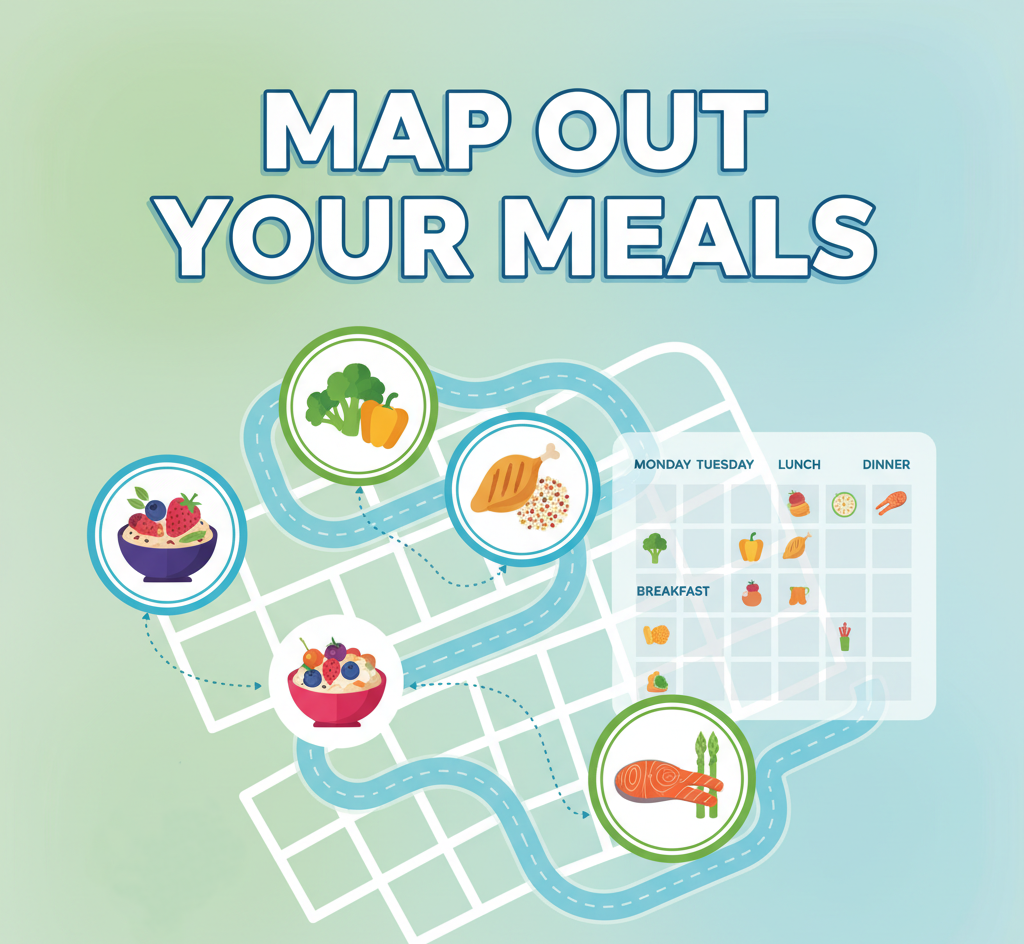
Saving your money at the supermarket begins at home. Before you head out, take a few minutes to look at your week ahead and plan the meals you want to prepare. Check your fridge, freezer, and pantry so you know what ingredients are already there and what you need to buy. Writing it all down in a simple list helps you stay focused, avoid unnecessary items and restrict food waste. With a clear plan, shopping becomes easier and faster without burning a hole in your pocket.
2. Compare Store Prices

It can be tempting to shop at the supermarket that is closest to home. However, comfort does not always mean savings. Prices often vary from one store to another, and a few minutes of checking offers can make a difference to your shopping bill. Browse weekly flyers, compare promotions online, or use a shopping app to see where the best discounts are available before you head out. By taking this small step, you make sure you save money without giving up on the things you need.
3. Buy Staples in Bulk
Bulk purchases are a golden rule to cut costs. But it works best when you focus on the foods you use often. Everyday staples like rice, flour and cooking oil are perfect choices because they have a long shelf life and are part of most meals. Stocking up on these items saves money and reduces frequent visits to the store. What you need to watch out for are snacks, processed foods or items that spoil quickly. They might look tempting on the shelf, but buying too many at once often leads to waste.
4. Focus on Seasonal Foods
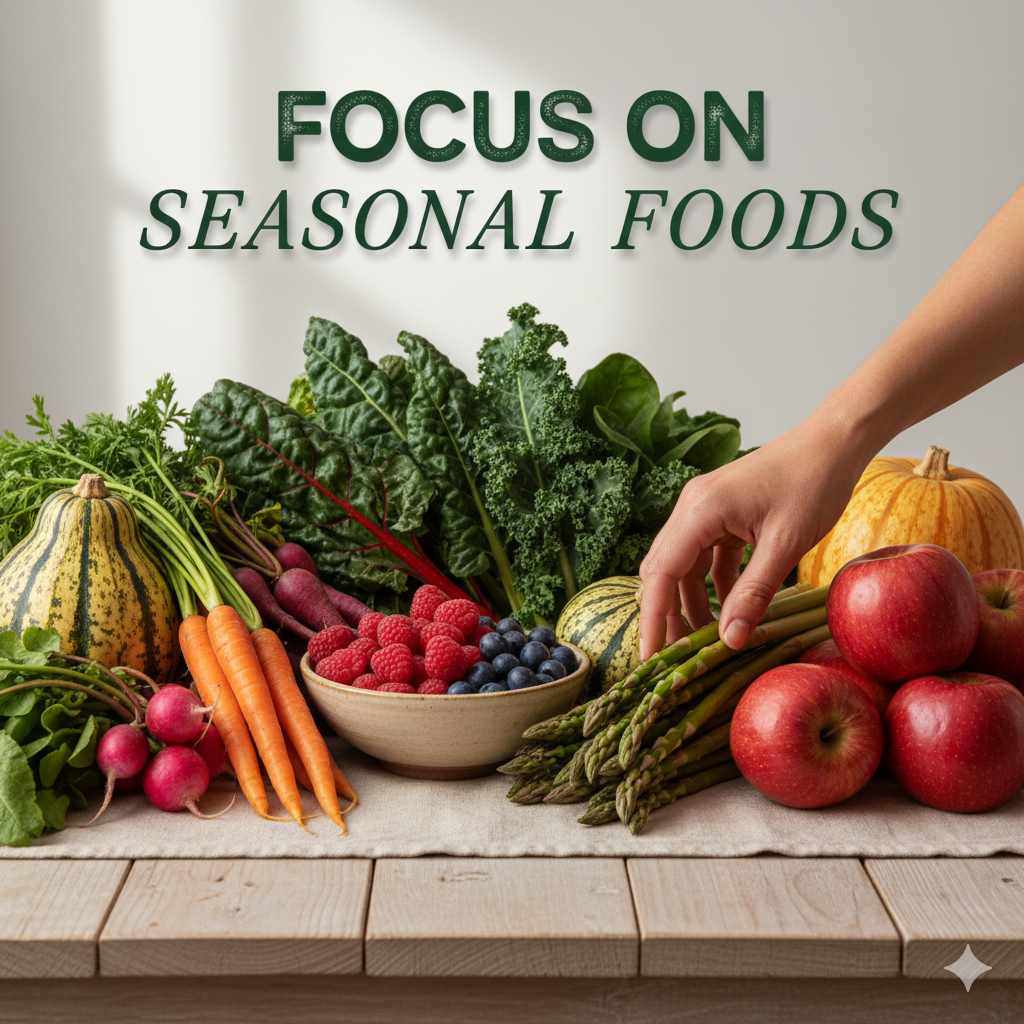
One of the simplest and easiest ways to manage your grocery shopping bill is to choose seasonal fruits and vegetables from the region. They are often fresh, tasty, and more affordable than imported items. Local produce usually costs less since it does not involve additional shipping or handling charges. By buying local produce, you support farmers in your community. Further, including seasonal foods adds variety to your meals and keeps you healthy without burning your wallet.
5. Prepare a Shopping List
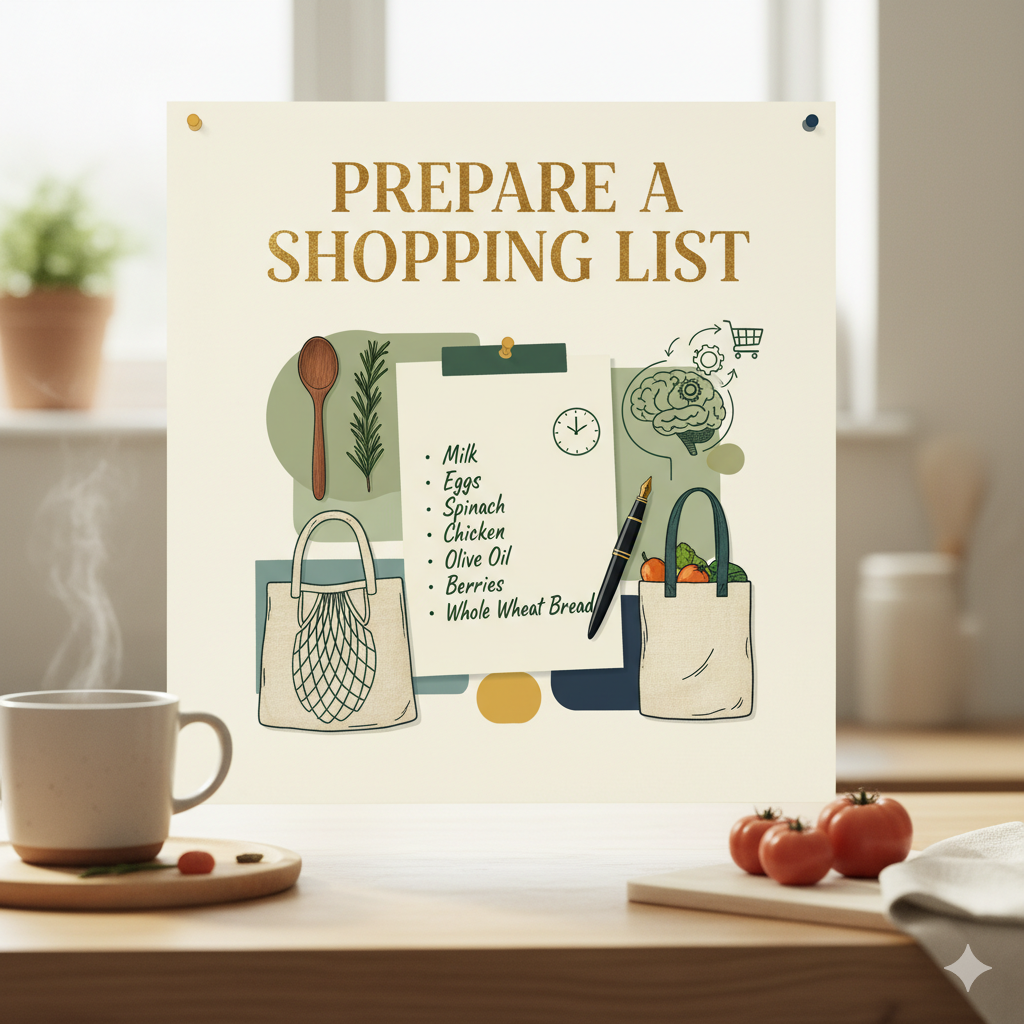
Walking into a store without a list often leads to buying things you do not need. Every aisle has products that can tempt you. And, it is easy to forget the essentials you came for. A shopping list helps you stay focused and ensures that what you pick up matches the meals you planned at home. It also prevents you from buying more or overspending on impulse items. Keeping a list may seem simple, but it is one of the most effective tools to save money and shop with purpose.
6. Avoid Shopping While Hungry
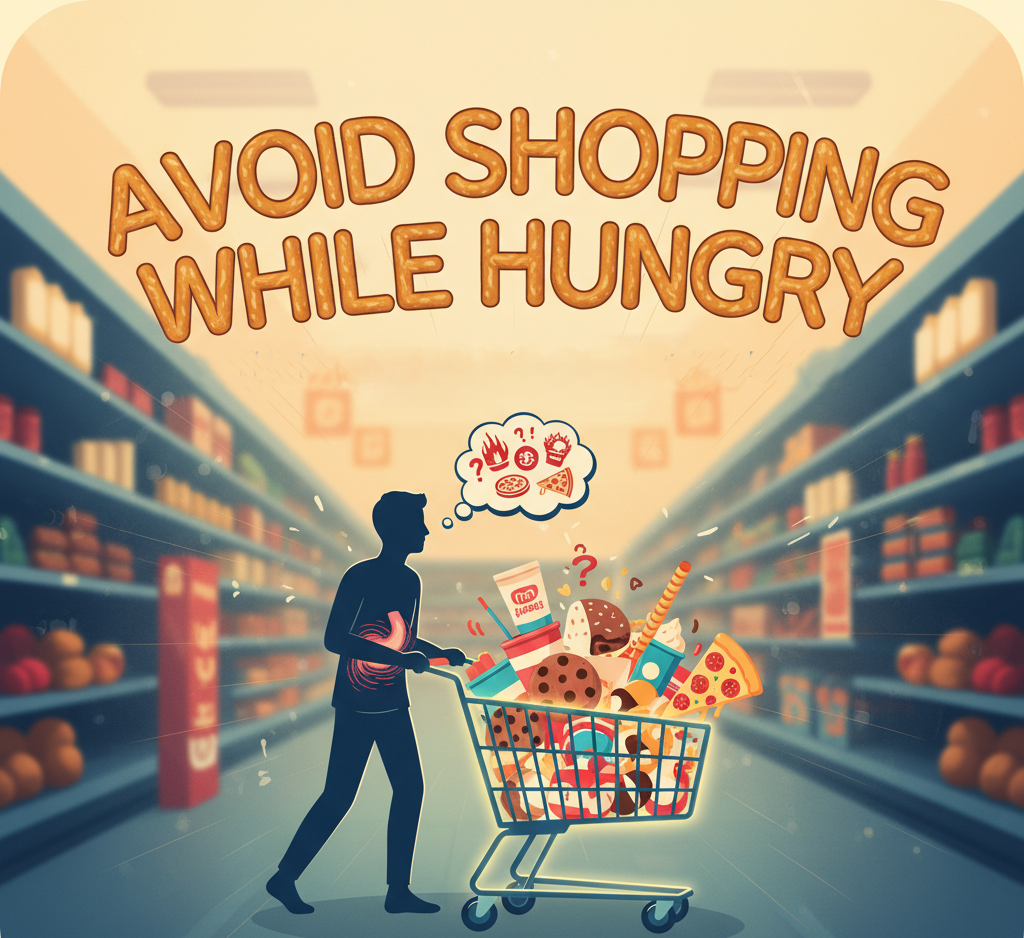
Walking into a supermarket on an empty stomach is one of the quickest ways to spend more than you planned. Hunger makes snacks, sweets, and ready-made meals look far more appealing, and before you know it, they end up in your cart. The simple solution is to eat a meal or a light snack before heading out. This small habit helps you stay focused on your list, avoid impulse buys, and protect your budget from unnecessary purchases. Shopping with a satisfied stomach keeps your spending and choices under control.
7. Make Use of Loyalty Cards

Many supermarkets offer loyalty cards that reward you with discounts, points or cashback on your purchases. Over time, these small rewards can add up savings on your grocery bill. Shopping apps make this easier by bringing deals together in one place. For instance, our D4D Online helps shoppers in GCC find the best offers on groceries and electronics from top supermarkets and hypermarkets. Making use of apps and other tools takes minimal effort but can make shopping more affordable and easier.
8. Choose Store Brands

Top brands often cost more simply because of their name, not because the product is always better. For many essential items, like rice, flour, milk, or cleaning supplies, store brands can offer the same quality at a much lower price. In fact, you may not notice the difference once you give them a try. Swapping a few branded items for store alternatives can save money without sacrificing your family’s daily needs.
9. Try Cooking at Home

Packaged meals, frozen snacks, and bakery items may seem convenient. But they often cost more than cooking the same food yourself. Preparing meals at home allows you to save money while eating healthier. You can choose fresh ingredients, adjust portions to your needs, and avoid hidden sugars, salts, or preservatives that come with ready-made foods. Even simple home-cooked meals can be filling, nutritious, and cheaper than takeout or pre-packaged options. Over time, cooking at home lowers your grocery bill and gives you control over your family’s diet.
My Final Verdict
Saving money on groceries does not have to mean giving up on quality or taste. By applying these 9 golden rules, you can keep your spending under control while still enjoying healthy and satisfying meals. It all comes down to planning, making mindful choices, and using tools that make shopping easier. For shoppers in the GCC, apps like D4D Online bring together the best offers from top supermarkets and hypermarkets, helping you save both time and money.
Frequently Asked Questions (FAQs)
1. What is the 5-4-3-2-1 grocery rule?
The 5-4-3-2-1 rule is a simple method to build a balanced grocery list. It means buying 5 types of vegetables, 4 types of fruits, 3 types of proteins, 2 types of whole grains, and 1 healthy snack. This way, you get variety while keeping shopping structured and stress-free.
2. Which grocery shopping method is best?
The best method is planning meals for the week, creating a list based on those meals, and sticking to it at the store. Many shoppers also find it helpful to shop once a week or bi-weekly, compare unit prices, and use digital flyers or apps to find the best deals.
3. How do I stretch my grocery budget?
Start by shopping seasonal produce, buying in bulk for staples, and comparing prices per kilo or per liter instead of the package price. Cooking more meals at home, using leftovers creatively, and reducing food waste can also stretch your budget while keeping meals healthy.
4. How can I maximize my grocery shopping trip?
Go with a clear list, shop after meals (to avoid impulse buying), and stick to the store’s outer aisles for fresh produce, dairy, and proteins. Checking store flyers or apps before you shop can also help you plan around discounts and weekly offers.
5. What are the healthiest foods to buy at the grocery store?
Focus on fresh fruits and vegetables, lean proteins like chicken, fish, beans, or lentils, whole grains such as brown rice and oats, and healthy fats like nuts and olive oil. Keeping a mix of fresh and frozen options ensures you always have something nutritious at home.


