

Grocery shopping is part of our everyday life. However, you do not have to worry about shopping bills if you plan accordingly. With some planning and the right approach, you can walk out of the store with everything you need without overspending. Whether you are shopping for your family or picking up a few essentials for yourself, the choices you make can have a big impact on your budget.
In this article, I will share 13 practical and effective ways to save money on your grocery shopping. These are simple, proven strategies that can help you shop while enjoying fresh, high-quality food.
1. Plan Your Meals Ahead of Time

One of the smart shopping habits you can build to save money and time is meal planning. Instead of walking into the store and guessing what you want to buy, take a few minutes to plan your meals for the week. Plan your meals by deciding what you will cook for breakfast, lunch and dinner.
For example, if you cook chicken curry on Monday, you can use the leftover chicken in a salad wrap or pasta dish the next day. This way, you can reuse ingredients, spend less and reduce food waste. It also means fewer last-minute takeout orders, which are real budget busters.
2. Always Prepare Your Shopping List

Impulse purchases can add up your budget. This is where a grocery shopping list helps you stay on track. Take a few minutes to write down what you need based on your meal plan. When you are at the store, follow your list and add those items to your cart. This will help you remember important items on your list.
Most shoppers nowadays prefer using digital shopping lists on apps, which makes it easier to stay organized. This allows you to stay focused, avoid distractions, skip messy scribbles and leave the store with everything you need.
3. Compare Prices with Shopping Flyers

Weekly shopping flyers are one of the easiest ways to find savings. By checking them, you can see which supermarket or hypermarket offers the lowest prices on essentials like rice, milk, vegetables or meat. A quick check on shopping flyers can help you compare the lowest prices instantly and find the best grocery deals.
However, you do not have to collect paper flyers anymore. Apps like the D4D Online let you view the latest shopping offers from top supermarkets in the GCC. From fresh fruits and vegetables to poultry and dairy, all your groceries are one click closer. This way, you never miss out deals and can plan your shopping to get the best value.
4. Look for Best Grocery Deals Near You
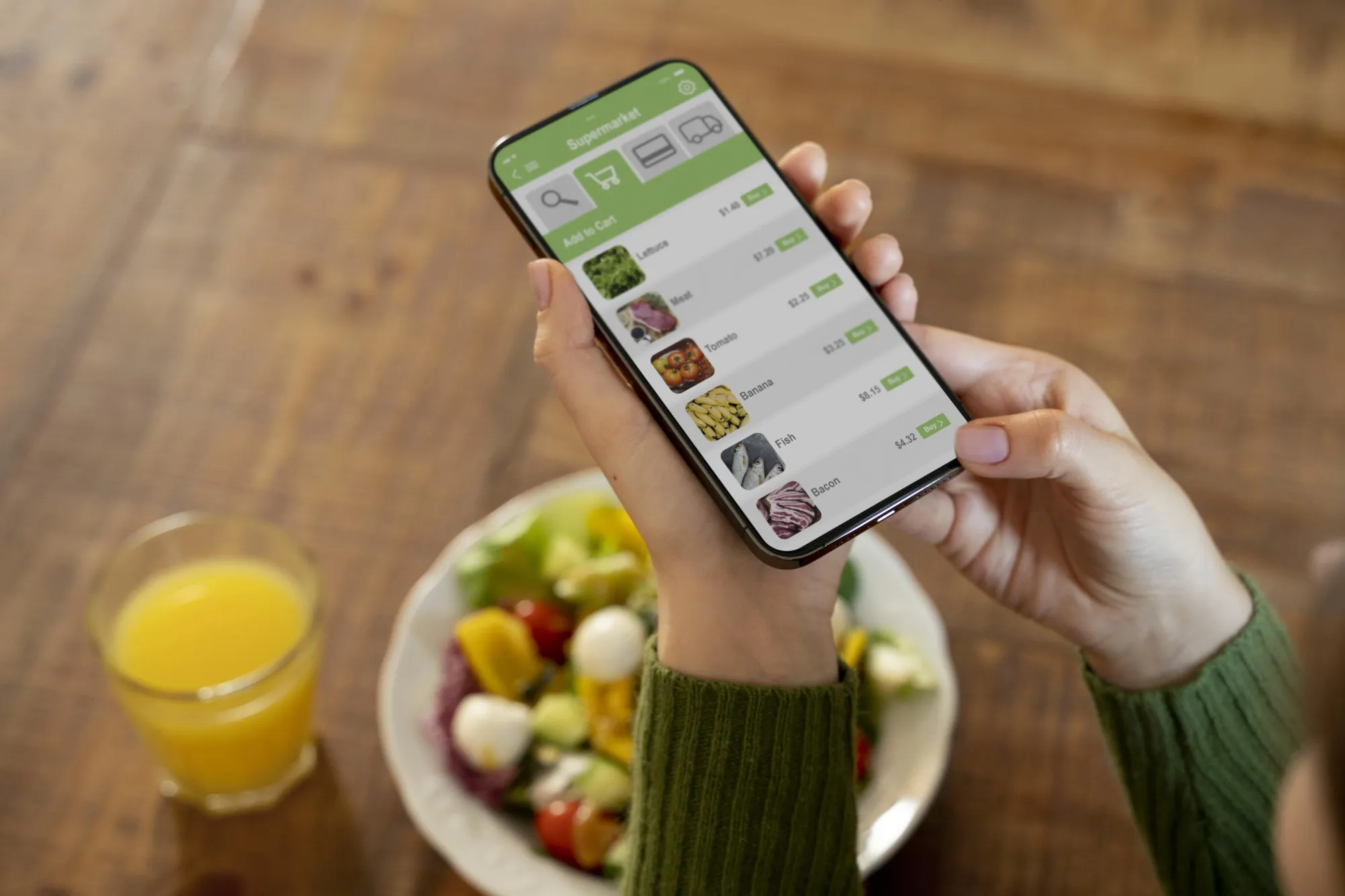
Today, many stores share their promotions online, which makes it much easier to find the best grocery deals near you. These online promotions help you find bundle offers, buy-one-get-one deals and limited-time discounts without waiting for paper flyers.
Shopping flyer apps make this even simpler by showing you all the deals in one place. With a few taps, compare prices, see which store has the better offer and plan your shopping before you leave home. This small step can help you save big on your grocery bill. According to a study by Voix Me Technologies research analysts, shoppers who use the D4D Online app could save an average of 20-30% on their weekly shopping bills.
5. Buy Seasonal and Local Produce
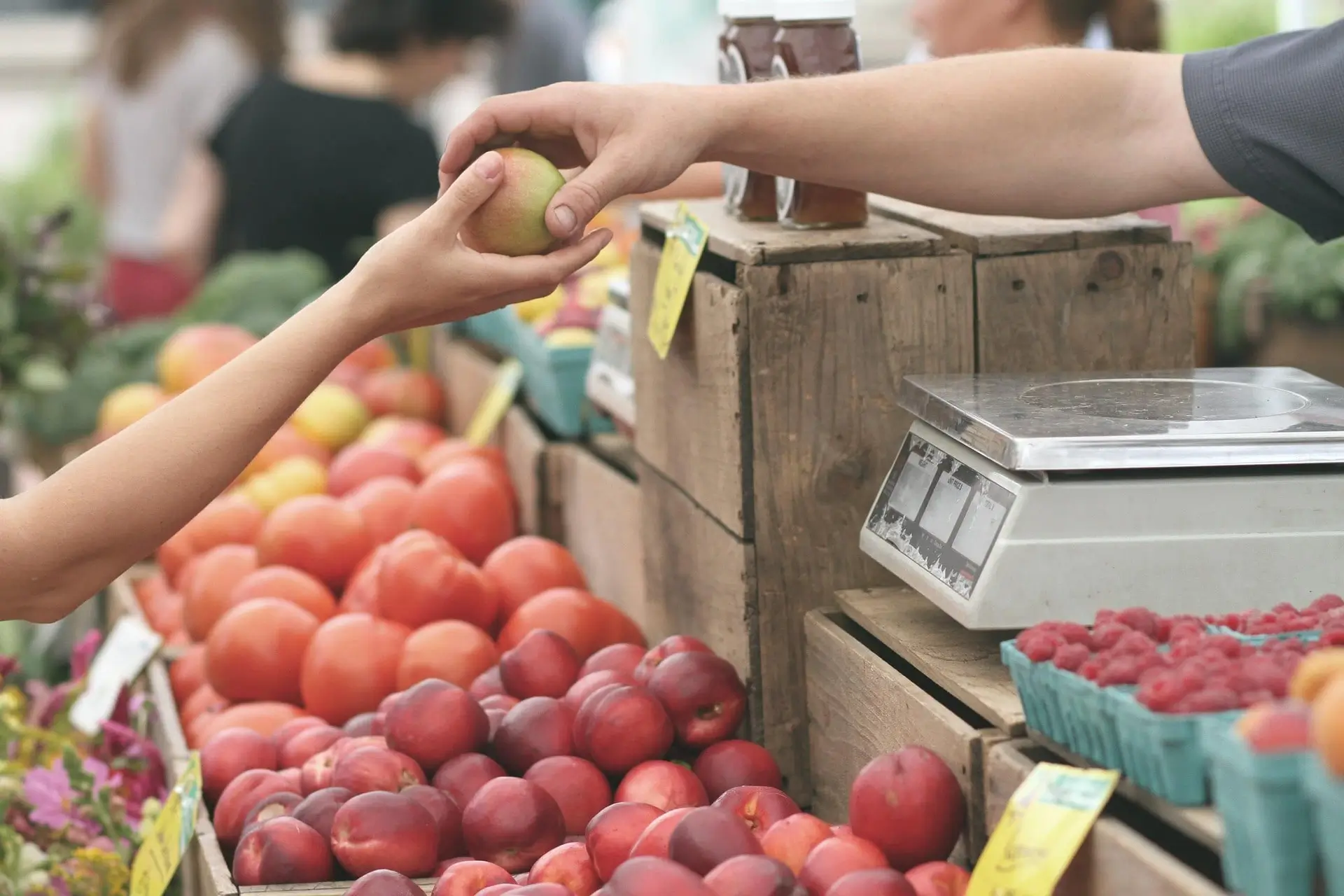
One of the easiest ways to save on groceries in the GCC is to buy fruits and vegetables that are in season. Seasonal produce costs less because it is grown in larger quantities and is more readily available. It also tastes fresher.
For example, watermelons in the summer or dates during Ramadan are cheaper and widely available. Imported fruits and vegetables, on the other hand, often cost more because of shipping and storage.
6. Sign up for Loyalty Programs

Many supermarkets and hypermarkets in the GCC offer loyalty programs that are free to join. These programs give you points every time you shop. Later, you can use these points for discounts, cashback or even free items.
The savings may seem small at first, but over time they add up and save money on groceries. Some apps even allow you to link your loyalty cards, so you can track your rewards and redeem them easily at checkout.
7. Avoid Shopping When Hungry
Going to the store on an empty stomach is one of the quickest ways to overspend. When you are hungry, almost everything on the shelves looks tempting. From snacks and sweets to ready-made meals, the chances of overspending rise when you are hungry.
The best way to avoid this is simple: eat before you shop. Having a meal or a small snack keeps you focused on your list and stops you from picking up extra items. This habit saves money and helps you make healthier choices.
8. Switch to Store Brands
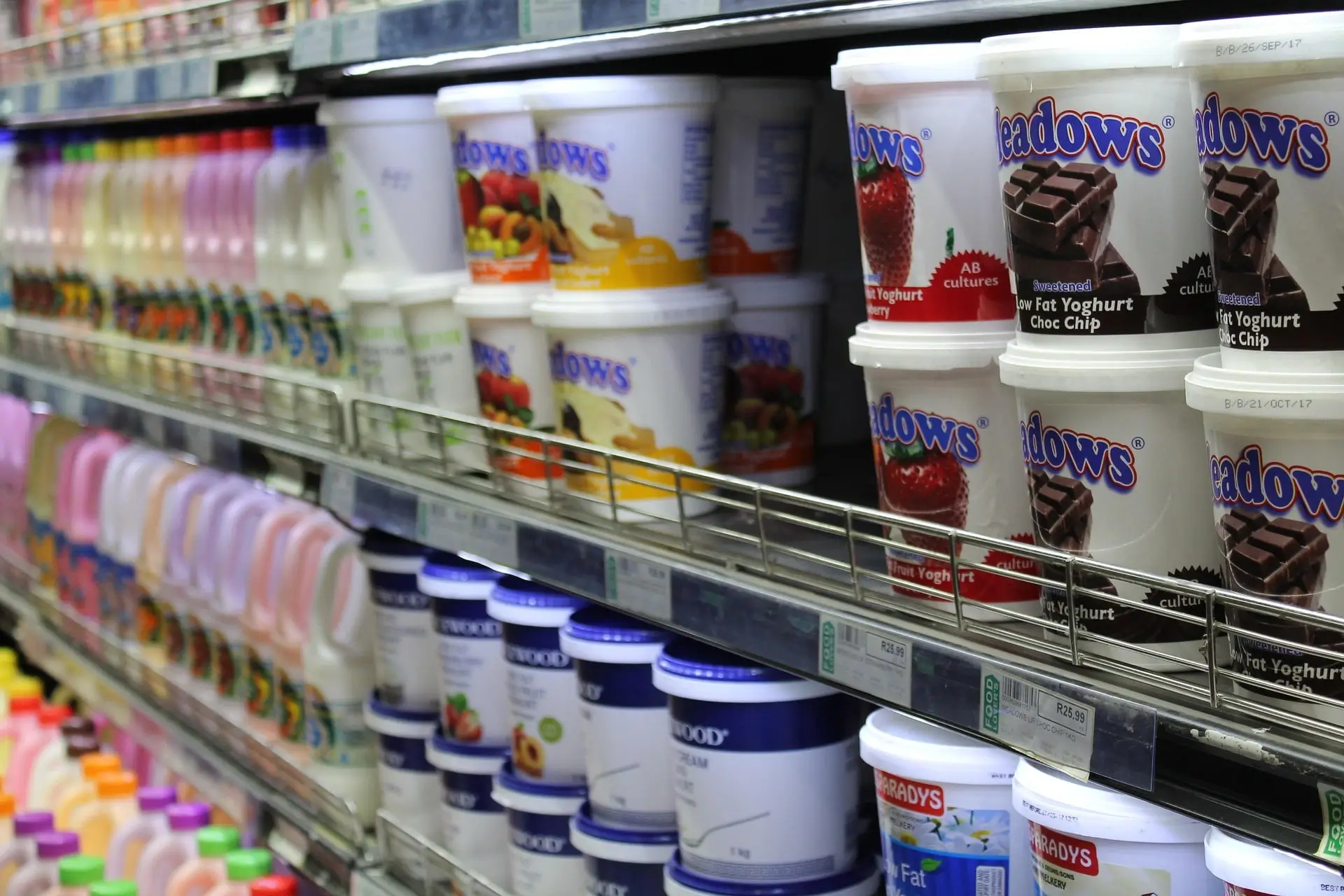
Big brands often cost more because you are paying for packaging and advertising, not just the product. Store brands, also known as private labels, give you the same quality at a lower price.
Basic items like rice, sugar, flour, milk or cleaning products are great places to start. Try switching one or two items to store-brand versions and see the difference. Most shoppers are surprised to find that the taste or quality is as good as the branded ones.
9. Buy Using Bundle Offers

Buying in bulk or through bundle offers is a smart way to save money on groceries. It works best for items that last a long time, such as pasta, lentils, oil, rice or canned goods. These products stay fresh for months and give you better value when bought in larger packs.
But be careful with items like bread, milk or leafy vegetables. If you buy more than you can use, they may expire and go to waste, which might affect your savings.
10. Find Grocery Shopping Hacks
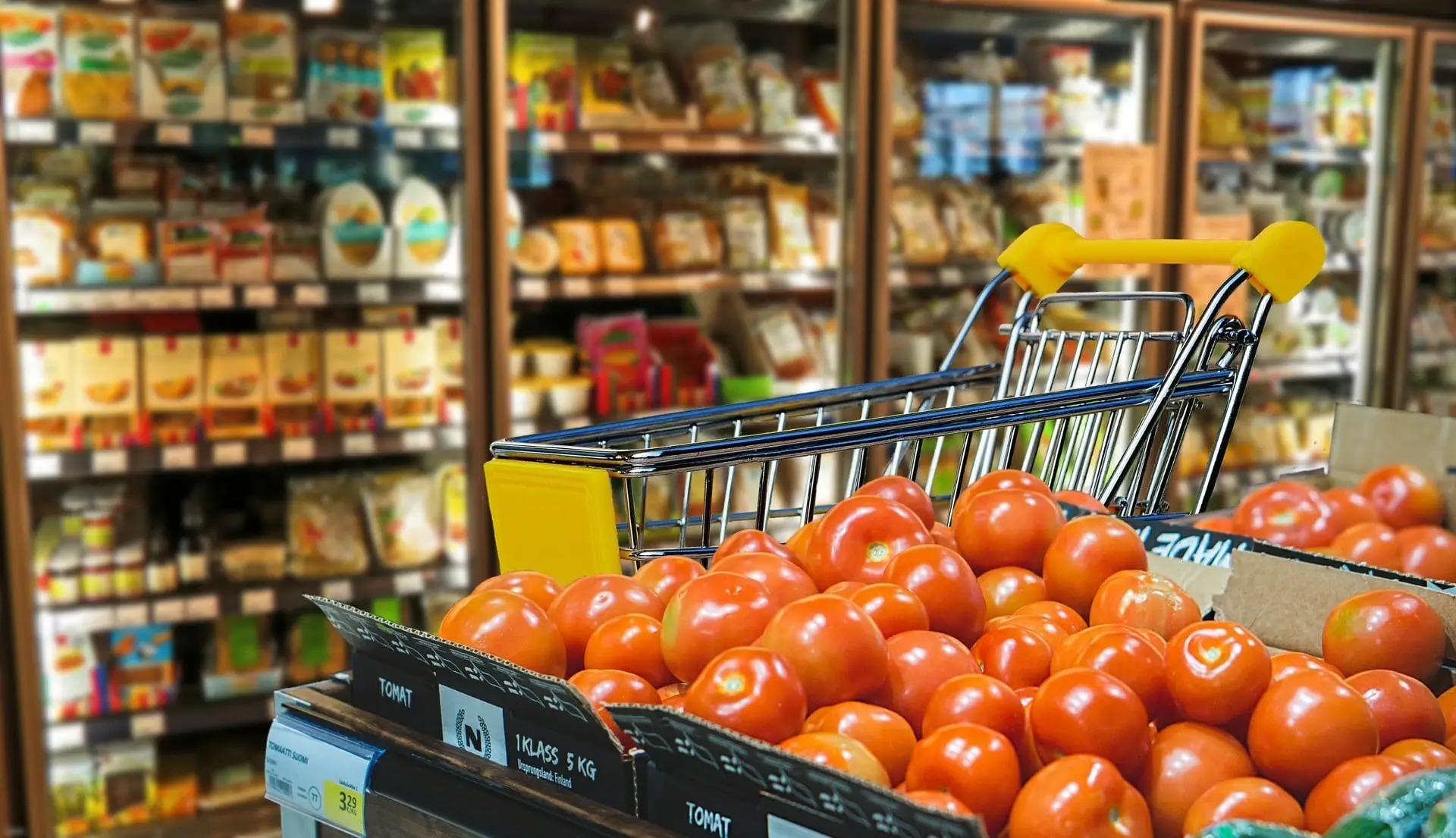
Changing how you buy meat and dairy can help you save more. Instead of paying extra for pre-cut chicken, buy a whole chicken and cut it into portions at home. It costs less and gives you more control over how you use it.
The same goes for cheese. A block of cheese is cheaper than pre-grated packs. You can grate or slice it yourself as needed and it stays fresher for a longer time. Another easy hack is to freeze extra portions. This stops food from going spoiled and saves you from ordering last-minute takeout.
11. Make Use of Cashbacks and Coupons

Coupons have gone digital. Instead of paper vouchers, you can find them in apps or on supermarket websites. Digital coupons are easier to use, often give better discounts and are eco-friendly.
Cashback offers are also becoming popular in GCC. For example, hypermarkets run promotions where you can buy an item at a discount and then get extra cashback when you pay through apps or loyalty cards. Similarly, the D4D Online shows active coupons and offers from multiple brands, making it easy to double your savings.
12. Track Your Shopping Expenses

One of the best ways to save more is to know where your money goes. Keep your receipts or write down your grocery spending each week. When you see how much you spend on different items, it becomes easier to spot where you can cut back.
Many apps make this easier by tracking your grocery expenses. They show your shopping patterns and allow you to make small changes, such as reducing unnecessary purchases.
13. Set a Budget for Grocery Shopping
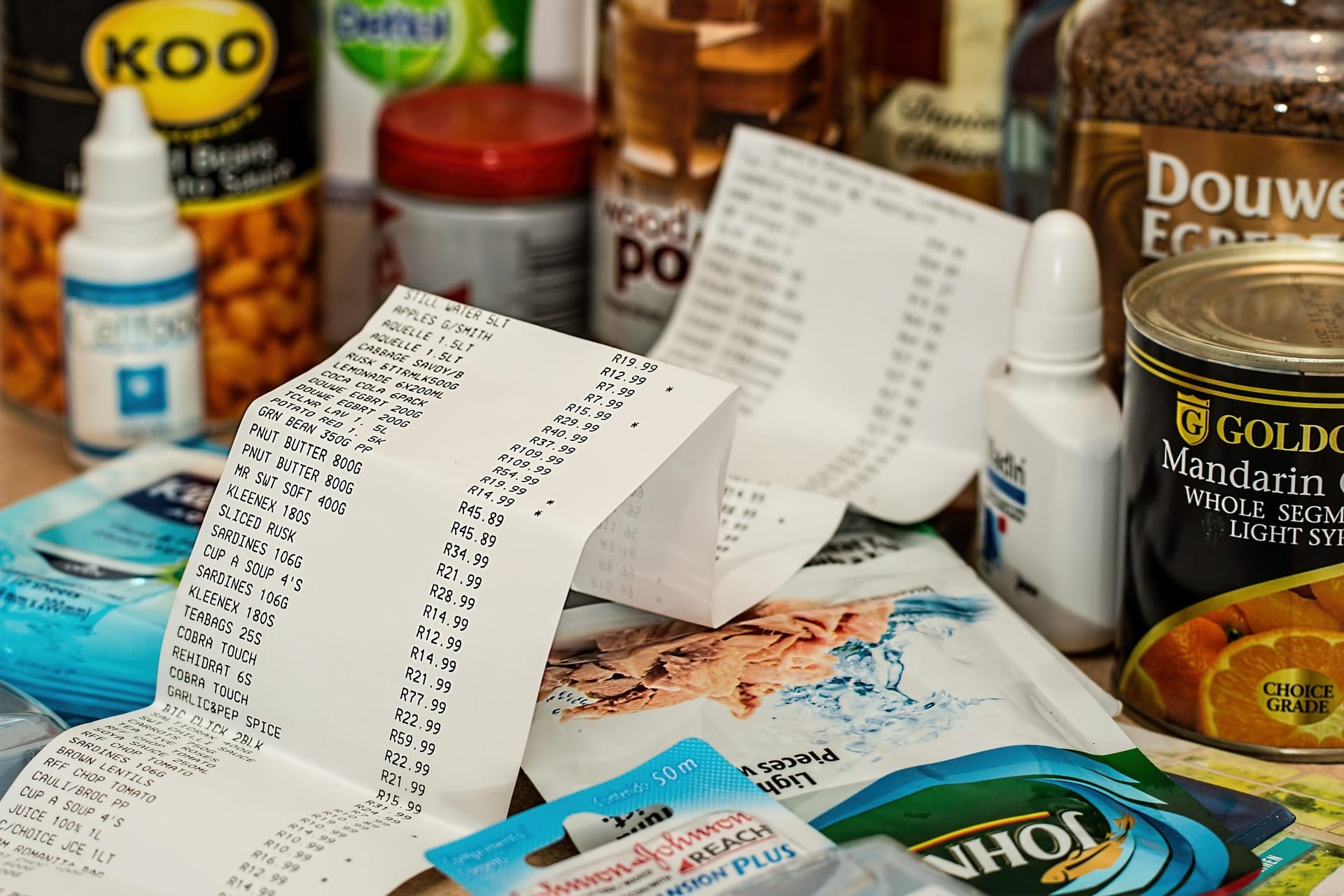
If you want to master grocery shopping on a budget, the first step is to set a clear spending limit and follow it. Having a clear number in mind helps you focus on home essentials and gives you more control over where your money goes. Start by reviewing your current spending, then plan a list of budget groceries that cover your household’s basic needs while leaving room for occasional treats. This way, you can enjoy balanced meals without overspending.
When you are mindful of your spending, you will notice opportunities for grocery savings. A planned budget encourages smarter decisions, helps you avoid waste and allows you to save on groceries without sacrificing quality. Over time, these habits create a simple but powerful system that keeps your pantry full and wallet happy.
Final Verdict
Grocery shopping does not have to put pressure on your budget. With some planning, buying seasonal produce, using loyalty programs and relying on apps like the D4D Online, you can compare flyers across supermarkets and save more on your shopping bills.
For shoppers, where prices and offers often change from one hypermarket to another, keeping track of promotions helps a lot. Checking weekly flyers before you shop and collecting rewards through loyalty cards are simple habits that lead to steady savings.
Start small, stay consistent, and over time, you will see clear results in your monthly purchase expenses.
Frequently Asked Questions (FAQs)
1. How can I create a grocery list on a budget?
The key is to focus on whole, versatile foods that can be used across multiple meals. Items like brown rice, oats, lentils, frozen vegetables, and eggs are inexpensive yet nutritious. Planning your meals for the week before shopping helps you avoid impulse buys and ensures your grocery list includes healthy foods.
2. What is the 5-4-3-2-1 grocery rule?
The 5-4-3-2-1 rule is a simple method for creating a balanced grocery shopping list. It means buying 5 servings of fruits and vegetables, 4 servings of whole grains, 3 servings of dairy or alternatives, 2 servings of proteins, and 1 serving of healthy fats. While the numbers may vary based on dietary needs, it is a helpful rule to keep your cart balanced and nutritious.
3. How can I save money on grocery shopping without compromising quality?
Start by comparing prices between supermarkets, buying seasonal produce, and using store loyalty programs or discount apps. Shopping with a list prevents overspending, while bulk-buying pantry staples like rice or beans reduces cost per unit. Cooking at home and avoiding processed foods saves money and keeps you healthier.
4. What are the 6 methods of grocery shopping to cut costs?
The six smart methods include:
- Make a grocery list and follow it.
- Shop seasonal fruits and vegetables.
- Choose store brands over name brands.
- Purchase in bulk for non-perishable items.
- Take advantage of coupons and cashback offers.
- Shop every week or during stock clearance deals.
Together, these small changes can cut your grocery bill by 90%.
5. How do I budget my grocery list effectively?
Set a weekly or monthly grocery shopping budget based on your household size and needs. Break it down into categories like produce, proteins and staples. Use cash or prepaid cards to avoid overspending. A good rule of thumb is to aim for 10-15% of your income on groceries. But with a bit of planning, you can often spend less without compromising health.